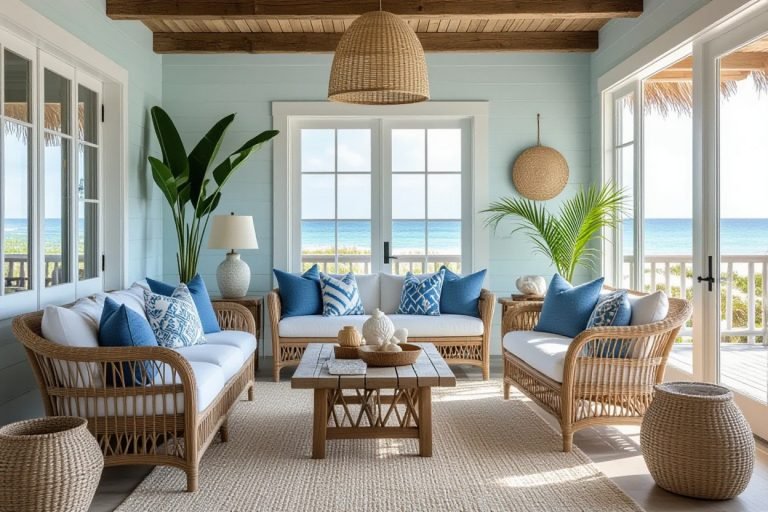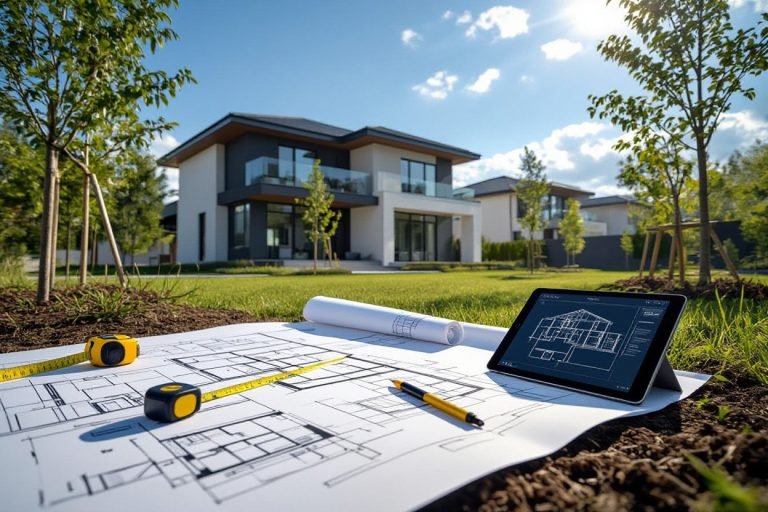
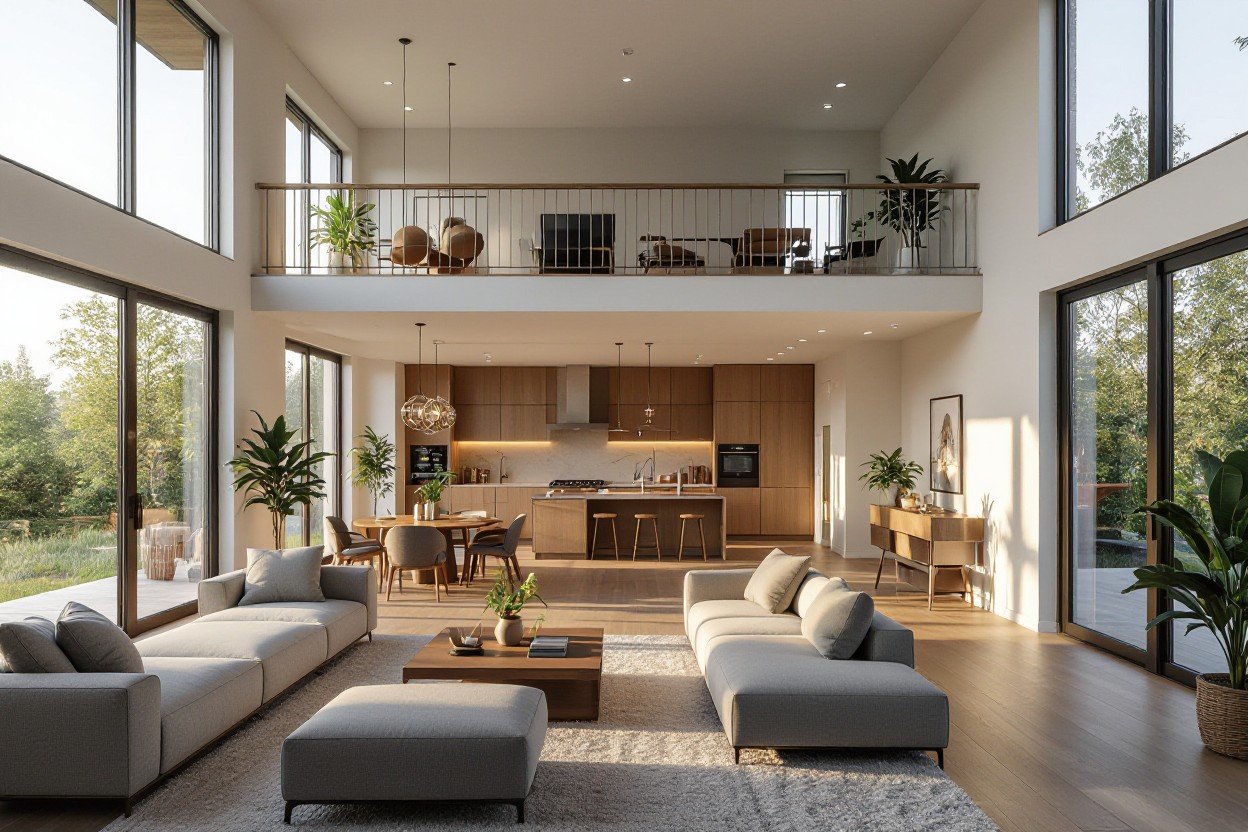
There’s a lot to consider when planning your dream home, and making errors early on can lead to costly adjustments later. By understanding the common pitfalls in home layout design, you can ensure your space is both functional and beautiful. This guide highlights the top mistakes to avoid, helping you create a home that perfectly suits your lifestyle and needs. With careful planning, you’ll transform your vision into a well-structured, comfortable living environment that stands the test of time.
Misjudging Your Space Needs
When designing your dream home layout, correctly assessing your space needs is vital to create a comfortable and functional environment. Underestimating room sizes or failing to consider how you use each space can lead to cramped areas or underutilized rooms. Think about your daily routines, storage requirements, and how much open area you want. By thoughtfully planning your space requirements, you’ll ensure your home supports your lifestyle without feeling cluttered or inefficient.
The Dangers of Over-Restricting Room Sizes
Limiting room sizes too much can result in spaces that feel confining and hinder your activities. If you make bedrooms, living areas, or kitchens too small to save space, you may find it challenging to furnish or use them comfortably. Small rooms can also reduce natural light and airflow, affecting your home’s ambiance and comfort. Balancing efficiency with adequate space helps maintain an inviting atmosphere where you and your family can thrive.
Ignoring Future Growth and Lifestyle Changes
Failing to account for your future needs can make your home layout quickly outdated. Life changes such as expanding your family, working from home, or pursuing new hobbies require adaptable spaces. Designing with flexibility allows your home to evolve alongside your lifestyle, avoiding costly renovations later. Plan for multipurpose rooms, extra storage, and potential expansions to ensure your home remains a perfect fit over time.
Considering future growth and lifestyle shifts means anticipating the kinds of changes you might experience, like children moving in or out, aging parents joining your household, or shifts in work patterns. Your living space should accommodate these possibilities with adaptable layouts—such as easily convertible rooms or modular design elements—that make transitions smoother. Investing in flexibility now helps you avoid the disruption and expense of remodeling and ensures your house stays your dream home for years to come.
Financial Blunders That Could Cost You
When designing your dream home layout, financial mistakes can quickly inflate your budget and derail your plans. It’s vital to plan with a clear understanding of all expenses, avoid cutting corners, and focus on long-term benefits. By being mindful of these common financial blunders, you can protect your investment and create a beautiful, functional home without facing unexpected costs down the line.
Failing to Factor in Hidden Costs
You might budget for major construction expenses but overlook hidden costs such as permits, utility connections, landscaping, or design changes. These can add up substantially and disrupt your financial plan. Ensuring you include these unforeseen expenses in your budget helps maintain control and prevents unpleasant surprises during the build process.
Skimping on Quality for Budget’s Sake
Choosing cheaper materials or workmanship to save money upfront can backfire by causing frequent repairs and replacements later. Investing in quality craftsmanship and durable materials ensures your home stands the test of time, saving you money and stress in the long run.
When you skimp on quality components, you risk compromising your home’s safety, comfort, and aesthetic appeal. Inferior materials deteriorate faster and might not perform well in your local climate, increasing maintenance costs. Prioritizing quality means making strategic decisions about where to allocate your budget to maximize durability and value rather than focusing solely on initial savings.
Neglecting Long-Term Value in Materials
Focusing only on what fits your current budget can lead you to choose materials that lack durability and appeal over time. Considering the lifespan and maintenance of materials allows you to select options that maintain or increase your home’s value, avoiding costly upgrades or replacements in the future.
Incorporating materials with long-term value means assessing how they age, their energy efficiency, and maintenance demands. For instance, investing in quality flooring, roofing, or insulation not only reduces frequent repairs but also boosts resale value. Taking a future-oriented approach when selecting materials supports smarter financial and design decisions for your dream home.
Design Follies That Complicate Layout
When designing your dream home layout, avoid pitfalls that make your space confusing or inefficient. Common missteps include awkward room placements and inconsistent style transitions, which can detract from your home’s functionality and flow. For a deeper probe these issues, explore What are some common mistakes made when designing a …. Addressing these design follies early keeps your home both beautiful and practical.
Creating Disjointed Traffic Patterns
You want your home to feel natural to move through, but disjointed traffic patterns disrupt this ease. Placing rooms or hallways in awkward spots forces unnecessary detours, leading to congestion and frustration. Plan your layout so pathways are direct and intuitive, facilitating smooth transitions between spaces.
Overlooking Natural Light and Ventilation
Natural light and ventilation play a major role in how comfortable and inviting your home feels. Ignoring window placement or cross-ventilation results in dark, stuffy rooms that can sap energy and mood. Make sure your design embraces opportunities for sunlight and fresh air.
Beyond aesthetics, prioritizing natural light and ventilation enhances health and energy efficiency in your home. Consider the sun’s path and prevailing winds in your site planning to optimize window locations. Incorporate features like skylights, clerestory windows, or operable vents to maximize airflow and brightness throughout the day. Thoughtful integration of these elements reduces reliance on artificial lighting and mechanical cooling, making your home more sustainable and enjoyable.
Compromising on Professional Expertise
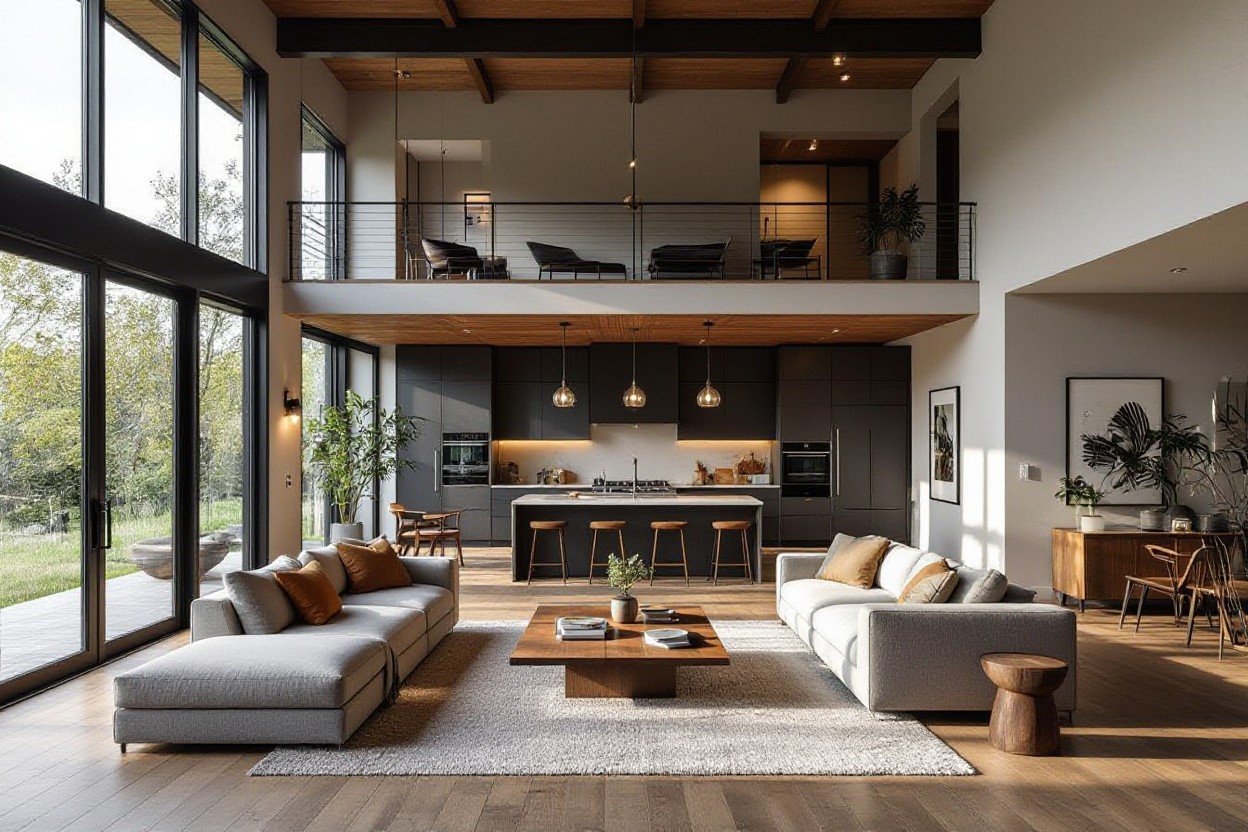
When designing your dream home, skimping on professional expertise can lead to costly errors and design flaws. Engaging skilled architects and designers ensures your vision is both beautiful and functional. Without their guidance, you risk overlooking imperative aspects that affect safety, aesthetics, and usability. For insight into common pitfalls, check out 10 Architecture Mistakes to Avoid When Designing Your … to help you make informed decisions throughout the process.
Opting for Budget Designs Over Custom Solutions
Choosing budget-friendly, pre-made design plans may save money initially, but they rarely match your specific needs and lifestyle. Custom solutions tailored to your preferences and the unique characteristics of your site provide lasting satisfaction, functionality, and value. By investing in personalized designs, you create a home that truly reflects your vision without compromising on quality or comfort.
The Risks of Rushed Contractor Selection
Hurrying to hire the first available contractor can lead to poor craftsmanship, missed deadlines, and unexpected expenses. Taking the time to vet contractors carefully ensures you find skilled professionals committed to delivering high-quality work aligned with your expectations.
When choosing a contractor, consider their experience, references, and previous projects comprehensively. Proper due diligence helps you avoid costly delays or subpar results that might derail your dream home’s completion. Investing patience in this decision safeguards your investment and overall satisfaction.
Dismissing the Importance of Clear Communication
Failing to maintain open and consistent communication with your design and construction team can cause misunderstandings and errors. By clearly expressing your needs and listening to expert advice, you build trust and prevent costly revisions or compromises in your home’s layout.
Effective communication fosters collaboration, allowing you to address concerns promptly and make informed decisions throughout the project. Keeping a transparent dialogue ensures that your vision remains the focus, ultimately resulting in a space that aligns perfectly with your expectations.
Site Challenges Ignored
When designing your dream home layout, overlooking site-specific challenges can lead to costly mistakes and frustration. You need to thoroughly assess the land’s characteristics and limitations before finalizing your plans. Ignoring these aspects might result in structural issues, poor drainage, or inefficient use of space. Make sure you integrate your design with the natural features of the site to create a harmonious and functional home environment.
Not Considering Topography and Landscape
Your home’s position on the land is influenced heavily by topography and existing landscape. Failing to account for slopes, soil stability, or vegetation can cause drainage problems, foundation issues, and increased construction costs. By tailoring your design to fit the natural terrain, you optimize views, sunlight, and privacy while minimizing environmental impact and future maintenance.
Overlooking Utility Access and Infrastructure
Neglecting to plan for access to utilities like water, electricity, sewer, and internet can disrupt your project timeline and inflate expenses. You should verify how these connections will be established on your lot and integrate them into your design early on to avoid need for expensive adjustments later.
Utility access and infrastructure are vital for the functionality of your home. When you overlook them, you risk encountering delays in construction, increased costs for trenching or wiring, and even the possibility of incompatible service connections. Taking time to investigate the availability and location of utilities ensures that ducts, pipes, and wiring routes can be seamlessly incorporated into your home plan, resulting in a smoother building process and a fully operational house upon completion.
Skipping the Planning Phase
When designing your dream home layout, bypassing the planning phase can lead to costly mistakes and frustration. Without a clear plan, you may overlook necessary details or fail to allocate space efficiently, resulting in a design that doesn’t meet your needs. Taking the time to map out your goals, lifestyle requirements, and future growth will help create a cohesive and functional home. Careful planning ensures that every element aligns with your vision, making the entire process smoother and more rewarding.
The Impact of Impulsive Decisions
Making impulsive decisions during your home design can disrupt the flow and harmony of your layout. You might find yourself adding features or changing plans without considering how they fit into the overall design, leading to wasted space or uneven room sizes. These spontaneous choices can also increase costs and cause delays. Staying focused on your initial objectives and resisting last-minute alterations will help you maintain a balanced and practical layout throughout the project.
Importance of Thoroughly Reviewing Plans
Thoroughly reviewing your home design plans before moving forward is necessary for spotting potential issues and ensuring everything meets your expectations. By carefully examining the layout, you can identify any impractical elements or necessary adjustments, saving time and money during construction. This review also allows you to visualize how your daily life will function within the space, helping you make informed decisions that suit your lifestyle and preferences.
Delving deeper into the importance of reviewing your plans, it’s beneficial to collaborate with professionals and seek feedback from family members who will use the space. This collaborative approach uncovers diverse perspectives and can reveal overlooked details. Utilizing tools like 3D models or walkthroughs can further enhance your understanding of the space. Ultimately, a meticulous review process fosters confidence that your home will be comfortable, efficient, and aligned with your long-term vision.
Final Words
Following this, you can ensure your dream home layout works perfectly for your lifestyle by avoiding common pitfalls. By carefully considering functionality, flow, and future needs, you’ll create a space that truly reflects your vision and serves you well over time. Taking the time to plan thoroughly prevents costly changes and frustration later, letting you enjoy the process and the end result with confidence. Your dream home deserves thoughtful design choices that support how you live and grow within it.