Personalized Bedroom Decor: A Friendly, Step‑by‑Step Guide to Make It Unmistakably Yours
Introduction
You spend roughly a third of your life in your bedroom—sleeping, unwinding, resetting. That’s a lot of time for a space to either energize you or subtly drain you. Personalized bedroom decor isn’t about buying more stuff; it’s about crafting a room that reflects who you are and supports how you want to feel every day.
Research links excessive visual clutter with elevated stress and poorer sleep quality. Light, color, and even texture can influence calmness and mood. A room tailored to your rhythms—lighting that dims, textiles that soothe, storage that keeps daily life tidy—becomes a quiet engine for better rest and better mornings.
The best part? Personalization isn’t an all-or-nothing remodel. You can transform the vibe with small, strategic moves: a better color palette, a gallery of meaningful art, a smarter layout. The goal is intentionally chosen elements that add up to a room that feels like you—without sacrificing function or sleep.
As designer William Morris famously said, “Have nothing in your houses that you do not know to be useful or believe to be beautiful.” Let’s apply that to your bedroom, step by step.
Step 1: Define Your Why and Your Vibe
Before you buy a pillow, figure out what you want your bedroom to do for you.
- Identify your primary goal:
- Better sleep (calm, dark, cool, quiet)
- Daily reset space (soft textures, gentle lighting, scent)
- Creative sanctuary (inspiring art, color pops)
- Storage-first (smart systems, concealed clutter)
- Choose your 3-word vibe:
- Examples: “calm, earthy, effortless” or “bold, graphic, cozy” or “romantic, airy, classic.”
- Make a mood board:
- Collect 10–15 images that feel like your vibe. Pay attention to recurring colors, patterns, materials (linen, wood, brushed brass), and silhouettes (curved headboards, clean lines).
- Write a one-sentence design brief:
- “I’m creating a calm, nature-inspired bedroom with layered textures, warm lighting, and hidden storage.”
Quick checklist:
- I can describe my vibe in three words.
- I know the problem this room should solve.
- I have 10–15 inspiration images and a one-sentence brief.
Step 2: Map Your Space Like a Pro
Scale is everything. A beautifully personalized room still falls flat if the layout fights daily life.
- Measure the room:
- Note wall lengths, ceiling height, window sizes, door swings, closet placement, and outlet locations.
- Draw a simple floor plan. A free app or graph paper works.
- Use clearances:
- 24–36 inches of walkway around the bed is comfortable.
- Nightstand height should be within 2 inches of mattress height for ergonomic reach.
- If a door swings near the bed, keep 10–12 inches clearance from edge.
- Choose bed placement:
- Ideally, place the headboard on the longest wall, with the bed visible as you enter. Avoid blocking windows if possible.
- If space is tight, push to one side, but add wall-mounted lighting and a slim shelf to compensate.
- Plan “zones”:
- Sleep zone (bed, nightstands)
- Dressing zone (wardrobe/closet, mirror)
- Retreat zone (reading chair, small desk if needed)
Pro tip: Tape it out. Use painter’s tape on the floor to simulate rug and furniture footprints. This instantly reveals traffic flow issues before you move anything heavy.
Step 3: Craft a Color and Materials Palette
Your palette is the backbone of a cohesive, personalized look.
- Start with the 60/30/10 rule:
- 60% base color (walls, large rug)
- 30% secondary color (bedding, curtains)
- 10% accent (throw pillows, art)
- Choose restful base hues:
- Soft neutrals, muted greens, gentle blues, taupes, warm grays. Avoid highly saturated hues on large surfaces if sleep is a priority.
- Pay attention to undertones:
- Warm neutrals pair with brass, oak, terra-cotta.
- Cool neutrals pair with chrome, walnut, slate.
- Sample in real light:
- Paint large test swatches and observe morning vs. evening. Natural light changes color temperature drastically.
- Use LRV (Light Reflectance Value):
- Higher LRV (60–80) brightens small rooms.
- Lower LRV (20–50) creates a cocooning feel.
- Build a materials story:
- Combine 3–5 textures: e.g., linen, velvet, raw wood, woven seagrass, matte metal. Texture adds depth even to neutral palettes.
Sample palette ideas:
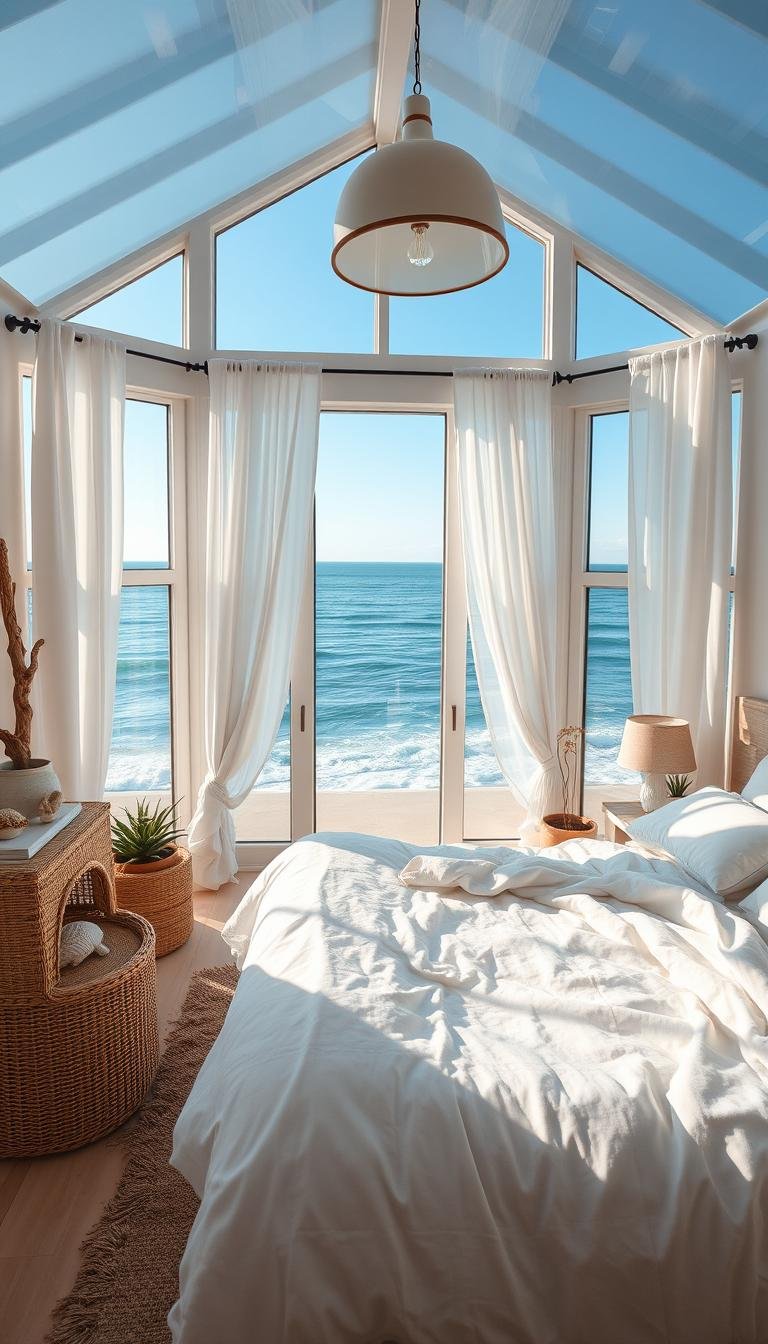
- Calm Coastal: Warm white walls, soft gray-blue secondary, sandy linen accents, driftwood and rattan textures.
- Earthy Modern: Clay-taupe walls, olive green textiles, black metal accents, walnut furniture, nubby wool rug.
- Minimal Romantic: Blush-beige walls, ivory bedding, matte gold accents, boucle chair, sheer linen drapes.
Step 4: Build the Foundation—Bed, Headboard, Nightstands, Rug
Personalization starts with comfort and scale.
- Bed and headboard:
- Choose a headboard shape that mirrors your vibe: arched for soft/romantic, channel-tufted for luxe, wood slat for natural modern.
- If you rent, a freestanding headboard or a DIY painted “headboard” shape gives impact without commitment.
- Nightstands:
- Height within 2 inches of mattress top.
- Consider drawers for hidden storage if visual calm is a goal.
- Mismatch with intention: same visual weight, different shapes or finishes, unified by hardware or lamp style.
- Rug sizing (under-bed layout):
- Queen: typically 8×10 or 9×12 depending on room size.
- King: typically 9×12.
- Let the rug extend 18–24 inches beyond the sides/foot so your feet land on softness.
- If space is tight, use two runners flanking the bed.
- Symmetry vs. asymmetry:
- Symmetry (matching lamps/nightstands) = balance and calm.
- Asymmetry (shelf on one side, stool on the other) = creative, informal. Keep heights visually balanced.
Step 5: Light It Like a Designer
The right light makes every choice look intentional and helps your body wind down.
- Layered lighting:
- Ambient: ceiling fixture or flush mount on dimmer.
- Task: bedside lamps or plug-in sconces for reading.
- Accent: LED strip behind headboard, picture lights, small uplights in corners.
- Color temperature:
- Use warm white (around 2700K–3000K) in the bedroom for a cozy, sleep-friendly glow.
- Avoid cool, blue-heavy light in the evening.
- Dimmers and controls:
- Add dimmers to overhead lights.
- Use smart plugs for lamps so you can set bedtime routines.
- Bedside lighting height:
- Bottom of lampshade roughly at shoulder height when seated in bed.
- For sconces, center 5–8 inches above shoulder level; space so the light pools on your book, not your eyes.
- Night navigation:
- Motion-sensor toe-kick or under-bed light helps you move safely without waking fully.
Step 6: Textiles That Tell Your Story
Textiles are where personal style really shines—color, comfort, and pattern in one.
- Bedding layering formula:
- Base: breathable sheets.
- Loft: duvet or coverlet.
- Texture: waffle or quilt folded at the foot.
- Accent: 2–3 decorative pillows plus a lumbar; edit ruthlessly for calm.
- Materials:
- Cotton percale (crisp, cool), sateen (silky), linen (airflow, texture), wool blankets (seasonal warmth).
- Mix textures for depth but keep the palette consistent.
- Window treatments:
- Blackout + sheers = light control by day and night.
- Hang “high and wide”: rod 4–8 inches beyond each side of frame and close to ceiling to elongate the room.
- Let hems just kiss the floor.
- Personal touches:
- Monogrammed shams, heirloom quilt at the foot, or a color pulled from a favorite artwork.
Step 7: Art, Photos, and Meaningful Objects
This is where your story comes alive—without visual chaos.
- Curate with intention:
- Choose art that fits your vibe words. Mix mediums: framed prints, textiles, sculptural wall pieces.
- Edit: If it doesn’t spark joy or calm, it doesn’t make the cut.
- Placement guidelines:
- Above headboard: bottom of art 6–10 inches above to maintain a visual connection.
- Eye level for most art: center around 57–60 inches from floor, adjust for bed height.
- Gallery wall: keep 2–3 inches between frames; align either the centers or a common top line.
- Display ideas:
- Picture ledges for easy rotation.
- Shadow box with travel mementos.
- Lean a large mirror against the wall to add light and scale.
- Cohesion tricks:
- Use consistent frames or a shared color thread.
- Limit a gallery to 3–5 colors for calm.
Step 8: Smart Storage and Decluttering
A personalized bedroom works because it’s livable—everything you need, nothing you don’t.
- Edit first:
- Keep only what you use or love (hello, Morris). Donate or store the rest.
- Bedroom is for sleep, dressing, and a few daily rituals; anything else needs a clear reason to stay.
- Storage strategies:
- Under-bed drawers or bins for off-season items.
- Vertical storage: tall dressers, over-door hooks, wall shelves with closed baskets.
- Nightstand trays for glasses, chargers, and lip balm.
- Closet quick wins:
- Same-style hangers for visual calm and space-saving.
- File-fold in drawers so you can see everything.
- Visual simplicity:
- Corral small items in lidded boxes.
- Keep tabletops 70% clear; decorate with a 3-piece vignette (lamp + plant + book stack).
Step 9: Sensory Personalization: Scent, Sound, Temperature
Comfort is multisensory. Tune the environment to your body.
- Scent:
- Calming options include lavender, cedar, or chamomile. Use diffusers safely and sparingly; avoid open flames near drapery.
- Freshen naturally with open windows and washable textiles.
- Sound:
- White noise can mask traffic or household sound.
- Soft textiles and rugs absorb echo, creating a quieter envelope.
- Light and darkness:
- Blackout shades help signal bedtime.
- Dim lighting in the hour before sleep supports your wind-down routine.
- Temperature:
- Many sleep experts suggest cooler rooms support better sleep; use breathable bedding and a fan if needed.
- Greenery:
- Low-maintenance plants (snake plant, pothos) bring life and color. Use drip trays to protect furniture.
Step 10: Renter-Friendly and Low-Commitment Personalization
You can create big impact without permanent changes.
- Walls:
- Peel-and-stick wallpaper or decals on one wall.
- Large-scale art or fabric panels to add pattern and color.
- Paint just the headboard “shape” and leave the rest neutral.
- Lighting:
- Plug-in sconces with cord covers.
- Clip-on reading lights if space is tight.
- Hardware and textiles:
- Swap knobs on dressers or closet doors.
- Use a statement rug to define the room.
- Slipcovers to update a chair or bench.
- Non-damaging fixtures:
- Command hooks for art, hats, or jewelry.
- Leaning mirrors and art for instant scale.
Step 11: Budget Strategy—Where to Splurge and Where to Save
Personalization doesn’t require a blank check; it requires priorities.
- Splurge candidates:
- Mattress and pillows for sleep quality.
- Blackout window treatments if light control is key.
- A well-sized rug that anchors the room.
- Dimmers and quality bulbs for layered lighting.
- Save or DIY:
- Art: printable downloads, your photography, vintage book pages.
- Frames: standard sizes or thrifted frames with fresh mats.
- Nightstands: vintage pieces refinished and unified by hardware.
- Headboard: DIY upholstered or painted silhouette.
- Budget planning:
- Allocate the largest share to sleep-critical items, then base layers (rug, curtains), then decor accents.
- Phase upgrades: foundation first, then lighting, then art and styling.
Step 12: Special Cases and Room Recipes
Small Bedrooms
- Use a light base palette; add depth through texture.
- Choose a bed with legs to show more floor or a storage bed if you need hidden space.
- Mount sconces to free up nightstand surfaces.
- Large art or a single big mirror makes the room feel intentional, not cramped.
Shared Bedrooms
- Agree on a neutral base and let each side personalize an accent color or art.
- Ensure both sides have equal lighting and storage.
- Use a white noise machine if sleep schedules differ.
Kids and Teens
- Choose durable, washable textiles.
- Make changeable zones: cork strip or pegboard for evolving interests.
- Color in smaller doses so tastes can shift without repainting.
Guest Rooms
- Keep decor friendly and uncluttered.
- Provide a bedside surface, good reading light, spare outlet/charging spot, and extra blanket.
- Add a local guidebook or small framed Wi-Fi info card.
Common Mistakes to Avoid
- Buying a matching bedroom “set”: It can look flat. Mix complementary pieces for a collected feel.
- Rug too small: It should extend beyond the bed so your feet land on it.
- Curtains hung too low: Mount rods high and wide to visually expand the room.
- Ignoring scale: Tiny lamps on large nightstands or mini art over a king bed feels off. Size up.
- Over-accessorizing: Edit. Negative space is restful.
- Harsh lighting only: Add warm layers and dimmers.
- Copying a Pinterest room exactly: Translate the idea to your architecture, light, and lifestyle.
- Forgetting function: If it complicates your daily routine, it doesn’t belong.
Mini Project Plans
Weekend Makeover Plan
Day 1:
- Declutter surfaces, edit decor, and donate.
- Deep clean, wash windows, swap to warm bulbs.
- Map furniture and reposition for flow.
Day 2:
- Paint a feature wall or headboard silhouette.
- Install curtains “high and wide.”
- Lay a properly sized rug.
- Style the bed with a fresh layering formula.
Day 3:
- Hang art at correct heights; add a picture ledge.
- Mount plug-in sconces or upgrade bedside lamps.
- Add a plant, scent solution, and a catchall tray.
- Set up charging and cord management.
30-Day Micro-Challenge
- Week 1: Define your vibe and palette; gather samples.
- Week 2: Declutter, optimize storage, and closet edit.
- Week 3: Paint or wallpaper one area; finalize textiles.
- Week 4: Install lighting layers, hang art, and style surfaces.
Quick Reference Checklists
Bedroom Personalization Starter Checklist:
- 3-word vibe and one-sentence brief
- Floor plan with clearances
- Palette with 1 base, 1 secondary, 1 accent
- Lighting plan: ambient, task, accent, dimmers
- Bedding layers and window treatments
- Art plan and display method
- Storage systems for daily items and off-season
- Sensory cues: scent, sound, temperature
Art and Decor Hanging Guide:
- Above headboard: 6–10 inches above
- Gallery spacing: 2–3 inches
- Eye-level center: 57–60 inches
- Mirror: opposite light source to bounce light, not facing the bed if it disrupts you
Rug Sizing Notes:
- Queen bed: 8×10 or 9×12
- King bed: 9×12
- Runners: use two if a small room can’t fit a large rug
Pro Tip: The details are not the details—they make the design. That Eames wisdom applies to everything from lamp shade shape to the curve of a headboard. Little choices add up.
Personalization Ideas You Can Do Today
- Create a custom headboard look with paint: tape a soft arch or geometric shape behind your bed.
- Build a picture ledge and rotate prints by season.
- Swap hardware on your nightstand or wardrobe for a quick refresh.
- Style a bedside vignette with a tray, small plant, and a favorite book.
- Add a plug-in sconce and hide cords with a paint-matched cord cover.
- Layer a patterned lumbar pillow that pulls colors from your art.
Sustainability and Health Considerations
- Paint: Choose low- or zero-VOC formulas and ventilate well.
- Materials: Natural fibers (linen, wool, cotton) and solid wood often age gracefully and can be repaired.
- Vintage and secondhand: Unique character and less environmental impact.
- Maintenance: Wash bedding regularly, vacuum rugs (including under the bed), and dust lampshades and vents for cleaner air.
FAQ
Q: How do I personalize my bedroom without making it look cluttered?
A: Edit first, then add back with intention. Limit surface decor to a 3-piece vignette per area, corral small items in trays or boxes, and repeat colors and materials to create cohesion. Use closed storage for anything you don’t want to see daily.
Q: What colors help a bedroom feel calm?
A: Muted, low-saturation hues—soft blues, gentle greens, warm grays, taupes, and off-whites—tend to read as restful. Keep bright, high-chroma colors as small accents. Always test samples in your room’s actual light.
Q: How can I mix patterns without chaos?
A: Combine patterns of different scales within one palette: one large (duvet), one medium (curtains or rug), one small (pillow). Keep a common color thread running through all patterns.
Q: My furniture is mismatched. How do I make it feel cohesive?
A: Unify with color, hardware, and repetition. Refinish or repaint pieces in a shared tone, swap knobs to one finish, and repeat a material (like oak or matte black) at least three times around the room.
Q: What if my bedroom is tiny?
A: Choose a light base palette, hang curtains high, use mirrors strategically, and favor multi-use pieces (storage bed, wall-mounted lighting). Keep floor space as clear as possible and scale decor up rather than using lots of small items.
Conclusion
Personalized bedroom decor is about clear intention, not constant shopping. When you define your vibe, map your space, and build a thoughtful palette, every decision—from the height of a sconce to the texture of a throw—supports how you want to live and rest.
Start with the foundations: layout, lighting, and textiles. Then curate art and meaningful objects that tell your story. Keep what’s useful and beautiful, hide the rest, and let your bedroom do its job—restoring you.
Pick one step to tackle this week—maybe paint a soft headboard shape or hang blackout curtains—and build momentum. Your most personal room is waiting, and it’s closer than you think.